Source Brown Flap Canvas Tote Bag for Shopping Travel Promotional
Compare 30 brown flap canvas tote bag options from verified Chinese suppliers. These customizable bags feature waterproof materials, logo printing, and various sizes suitable for shopping, travel, and promotional events.
Key considerations
Products List


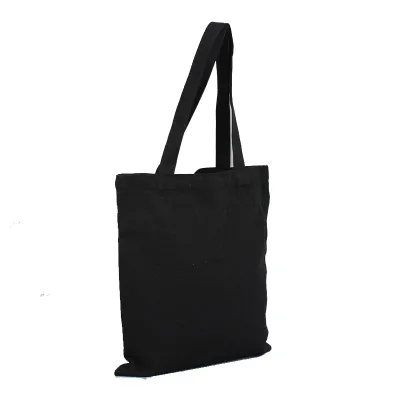


Comprehensive Sourcing Guide
Strategic Sourcing Guide for Brown Flap Canvas Tote Bags
Understanding Product Specifications and Material Variability
When sourcing a brown flap canvas tote bag, buyers must first navigate the complex landscape of material definitions and structural specifications. The core product category relies heavily on the distinction between raw canvas and treated cotton blends, as these determine the final tactile experience and durability. Based on available market data, the primary material composition is identified as canvas, often specified in standard weights such as 6oz, 8oz, 12oz, or 16oz. These weight measurements are critical for procurement decisions, as they directly correlate with the bag's load-bearing capacity and structural rigidity. A 6oz canvas offers a softer, more pliable drape suitable for lightweight promotional items, whereas 16oz canvas provides the stiffness required for heavy-duty shopping or industrial use.
The "flap" design element introduces specific construction requirements that differ from standard open-top totes. This feature often necessitates a specific handle configuration, with observed specifications indicating a "Hand Length Handle" design. The flap itself may serve a functional purpose for security or a purely aesthetic one for fashion-forward applications. Buyers should verify the "Hardness" attribute of the canvas, as the market presents a spectrum ranging from "Soft" to "Medium Soft." This attribute influences how the bag holds its shape when empty and how it behaves under load. Furthermore, the "Inside Material" is a crucial variable; while the exterior is canvas, the interior lining may vary, with observations noting the use of Nylon or Polyester. This lining choice impacts the bag's waterproofing capabilities and resistance to abrasion.
The color profile, specifically the "brown" designation, requires careful definition during the sourcing phase. While the core keyword specifies brown, the actual market offerings may include variations such as "Candy Color" or natural canvas hues that are dyed to achieve the target shade. The "Fashion Element" of the product often includes "Crocodile Grain" textures or "Stitching Bag" details, which add visual depth and perceived value. These elements must be confirmed against the buyer's design brief, as they are often custom requests rather than standard stock items. The "Design" attribute is frequently listed as "as Your Request" or "Horizontal Square," indicating a high degree of customization potential. Buyers must ensure that the requested design aligns with the manufacturing capabilities of the supplier, particularly regarding the complexity of the flap closure mechanism.
Compliance Standards and Certification Verification
In the realm of textile procurement, compliance and certification are paramount, yet they require a disciplined approach to verification. While certain standards such as OEKO-TEX and certifications like GOTS (Global Organic Textile Standard) or BSCI (Business Social Compliance Initiative) are frequently cited in the broader industry context, buyers must not assume their presence without explicit documentation. The provided data does not confirm that any specific listed product possesses these certifications. Therefore, the procurement strategy must prioritize direct verification rather than relying on general market assumptions.
Buyers should explicitly request proof of compliance from potential suppliers. If the target application involves consumer goods in regulated markets, such as the European Union or North America, the absence of OEKO-TEX certification for chemical safety or GOTS for organic content could be a significant barrier. Similarly, BSCI certification is often a prerequisite for retailers concerned with social compliance and labor standards in the supply chain. Since the observed data lists these as "Low-confidence background" facts, the buyer's responsibility is to treat them as optional requirements that must be actively sought and validated.
The "Standard" attribute in the product data often refers to physical dimensions or fabric weights (e.g., 6oz, 8oz) rather than regulatory compliance. Buyers must distinguish between these technical standards and legal certifications. For instance, a "Customized Size" standard implies flexibility in dimensions but does not guarantee adherence to international safety norms. When evaluating suppliers, procurement teams should ask for specific test reports regarding the materials used, particularly if the bag is intended for food contact or close skin contact. The "Waterproof" attribute observed in some listings suggests a treatment process, which may involve chemical coatings. Verifying the safety of these coatings is essential to ensure they do not violate environmental or health regulations.
Cost Drivers and Pricing Dynamics
The pricing structure for brown flap canvas tote bags is influenced by a confluence of material costs, customization levels, and order volume. The observed price range in the market spans from $0.26 to $29.90 USD, a wide variance that reflects the diversity of product configurations. At the lower end of this spectrum, prices likely correspond to basic, unlined canvas totes with minimal customization, standard weights (6oz-8oz), and high-volume production runs. Conversely, the upper end of the price range is driven by premium materials, such as 16oz canvas, specialized linings like Nylon or Polyester, and complex design features like crocodile grain textures or custom flap mechanisms.
Order Volume is a primary driver of unit cost. The Minimum Order Quantity (MOQ) observed ranges from 1 to 1000 units, with specific listings indicating an MOQ of 500 pieces for customized items. This suggests a tiered pricing model where unit costs decrease significantly as order quantities increase. Buyers should be aware that small batch orders, while possible, will incur a higher per-unit cost due to the setup time for printing and assembly. The "Customization" attribute is a significant cost factor; requests for "OEM/ODM Logo" printing, specific "Silk Screen" or "Heat Transfer" methods, and unique "Design" elements all add to the production complexity and cost.
The "Packing" specifications also impact the final landed cost. Standard packaging is listed as "10PCS/OPP, 100PCS/CTN," but custom packaging requests can alter the logistics and material expenses. Additionally, the "Origin" of the product, primarily noted as China or Guangzhou, influences shipping costs and lead times. Buyers must factor in these logistical variables when calculating the total cost of ownership. It is essential to request a detailed breakdown of costs, separating the base material price, printing fees, and packaging charges, to ensure transparency and accurate budgeting.
Typical Applications and Usage Scenarios
The versatility of the brown flap canvas tote bag makes it suitable for a broad spectrum of applications, ranging from commercial retail to personal leisure. The "Usage" attribute explicitly lists categories such as Shopping, Travel, Promotional, and Advertising. This indicates that the product is designed to serve as a functional carrier for dry goods while simultaneously acting as a mobile billboard for brand awareness. The "Fashion" element, including styles like "Tote Bag" and "Leisure," suggests that these bags are also marketed as lifestyle accessories rather than purely utilitarian items.
For promotional and advertising purposes, the "Logo Printing" capability is a key feature. The ability to apply logos via "Silk Screen," "Heat Transfer," or "Watermark" techniques allows brands to tailor their messaging to the target audience. The "Recyclable" feature adds an environmental appeal, making these bags attractive for eco-conscious campaigns. The "Weight Limit" of over 10 Kg ensures that the bags can carry substantial loads, making them ideal for grocery shopping or carrying travel essentials.
The "Season" attribute, noted as "All" or "Summer," implies that the product is not restricted to a specific time of year, though lighter canvas weights may be preferred for summer use. The "Style" variations, including "Fashion" and "Handled," cater to different consumer preferences, from the practical commuter to the fashion-forward shopper. The "Design" options, such as "Horizontal Square" or "Crocodile Grain," allow for differentiation in competitive markets. Buyers should align the specific product attributes with their intended use case; for example, a heavy-duty 16oz canvas with a reinforced flap is better suited for industrial or heavy shopping use, while a softer, lined canvas with a stylish flap is more appropriate for fashion retail or promotional giveaways.
Supplier Evaluation and Quality Control Protocols
Evaluating suppliers for canvas tote bag production requires a rigorous assessment of their manufacturing capabilities and quality control systems. The "Customization" availability and "OEM/ODM" capabilities are strong indicators of a supplier's flexibility, but buyers must verify these claims through site audits or detailed questionnaires. The "Quality" attribute is often described as "Best" in marketing materials, but this is a subjective claim that requires objective validation. Buyers should request samples to assess the "Hardness," "Sealing & Handle" integrity, and the consistency of the "Printing" quality.
Quality control should focus on several critical areas. First, the structural integrity of the "Hand Length Handle" must be tested to ensure it can support the stated "Weight Limit" without tearing or stretching. Second, the "Sealing" of the bag, particularly if it includes a flap, should be examined for durability and ease of use. Third, the "Inside Material" should be checked for consistency and adherence to the specified fabric type (Nylon or Polyester). The "Printing" quality must be evaluated for color fastness, alignment, and resistance to fading or peeling, especially for "Silk Screen" and "Heat Transfer" methods.
Buyers should also verify the "Packing" standards to ensure that products arrive in good condition. The standard "10PCS/OPP, 100PCS/CTN" packaging should be inspected for damage resistance. Additionally, the "Standard" specifications, such as fabric weight and dimensions, must be measured against the ordered requirements. Since the "prod_model" varies (e.g., FLY-CB20642, FLY0087, SU-SHB-196), buyers must ensure that the specific model ordered matches the design and material specifications agreed upon. Establishing a clear quality control protocol that includes pre-production samples, in-process inspections, and final random inspections is essential for maintaining product consistency.
Long-Term Procurement and Supply Chain Considerations
Sourcing brown flap canvas tote bags is not merely a transactional activity but a strategic decision that impacts long-term supply chain stability. The "Customization" and "Design" flexibility offered by suppliers allows for brand evolution, but it also requires a robust relationship management strategy. Buyers should consider the "Lead Time" implications of custom orders, as the "Customized Size" and specific "Fashion Element" requests may extend production schedules. While specific lead times are not provided in the data, the complexity of the customization should be factored into the planning process.
Sustainability is a growing concern in the textile industry. The "Recyclable" attribute of the canvas material is a positive factor, but buyers should explore the full lifecycle of the product, including the sourcing of the raw cotton and the environmental impact of the dyeing and printing processes. The "Waterproof" treatment, if present, may involve chemicals that require careful management. Long-term procurement strategies should prioritize suppliers who demonstrate a commitment to sustainable practices, even if specific certifications like GOTS are not immediately available.
Scalability is another critical consideration. The "MOQ" range of 1 to 1000 units suggests that suppliers can accommodate both small test runs and large-scale production. However, buyers should assess the supplier's capacity to scale up quickly in response to market demand fluctuations. The "Origin" in China or Guangzhou offers access to a mature supply chain, but geopolitical factors and logistics disruptions should be monitored. Establishing a diversified supplier base and maintaining open communication channels can mitigate these risks. Finally, buyers should plan for product lifecycle management, considering how the "Fashion" and "Style" trends may evolve and how the product can be adapted to remain relevant in the market.
FAQs
What materials are used for brown flap canvas tote bags?
The primary material is canvas, often specified in weights like 6oz, 8oz, 12oz, or 16oz. Some models feature an inside lining made of nylon or polyester to enhance durability and water resistance.
Can I request custom designs and logos for these bags?
Yes, customization is available with options for OEM and ODM logo printing. Buyers can request specific designs, including crocodile grain textures or horizontal square shapes, using silk screen or heat transfer methods.
What is the minimum order quantity for custom canvas bags?
The minimum order quantity ranges from 1 to 1000 pieces depending on the supplier and product model. Specific listings indicate an MOQ of 500 pieces for customized items with unique designs or logos.
How much weight can a brown flap canvas tote bag hold?
These bags are designed to support a weight limit greater than 10 kilograms. This capacity makes them suitable for shopping, travel, and carrying dry goods without structural failure.
Which printing methods are accepted for logo application?
Accepted printing methods include silk screen, heat transfer, and watermark techniques. Suppliers also accommodate specific requests for logo placement and design to meet promotional or advertising needs.
Where are these canvas tote bags typically manufactured?
Products are primarily sourced from China, with specific origins noted in Guangzhou. This location influences shipping logistics and lead times for international buyers seeking these specific tote bag models.